
In this guide
- When it isn’t obvious what a service dog does, businesses may ask only two questions.
- They can’t ask about your disability, require documentation, or ask the dog to demonstrate its task.
- A business can ask a service dog to leave only if it’s out of control or not housebroken.
- These rules apply to service dogs — not emotional support animals.
If you have a service dog, you’ve probably been questioned at a store, restaurant or hotel. Sometimes staff are just curious; sometimes they’re trying to keep out pets. Knowing exactly what the Americans with Disabilities Act (ADA) allows makes these moments shorter and less stressful.
The two questions businesses can ask
When it isn’t obvious what a service dog does, staff may ask only:
- Is the dog a service animal required because of a disability?
- What work or task has the dog been trained to perform?
That’s it. If the dog’s role is obvious — for example, a guide dog leading a person who is blind — staff shouldn’t ask at all.
What businesses can’t ask or require
- They can’t ask about the nature or extent of your disability.
- They can’t require medical documentation, ID cards or certification.
- They can’t require the dog to wear a vest.
- They can’t ask the dog to demonstrate its task.
- They can’t charge a pet fee or deposit for a service dog.
- They can’t isolate you from other customers or treat you less favorably.
When a business can ask a service dog to leave
Under the ADA, a business may ask that a service dog be removed if:
- The dog is out of control and the handler doesn’t take effective action to control it, or
- The dog is not housebroken.
Even then, the business should offer to serve you without the dog. Allergies or fear of dogs are generally not valid reasons to deny access — businesses are expected to accommodate both people, for example by seating them in different areas.
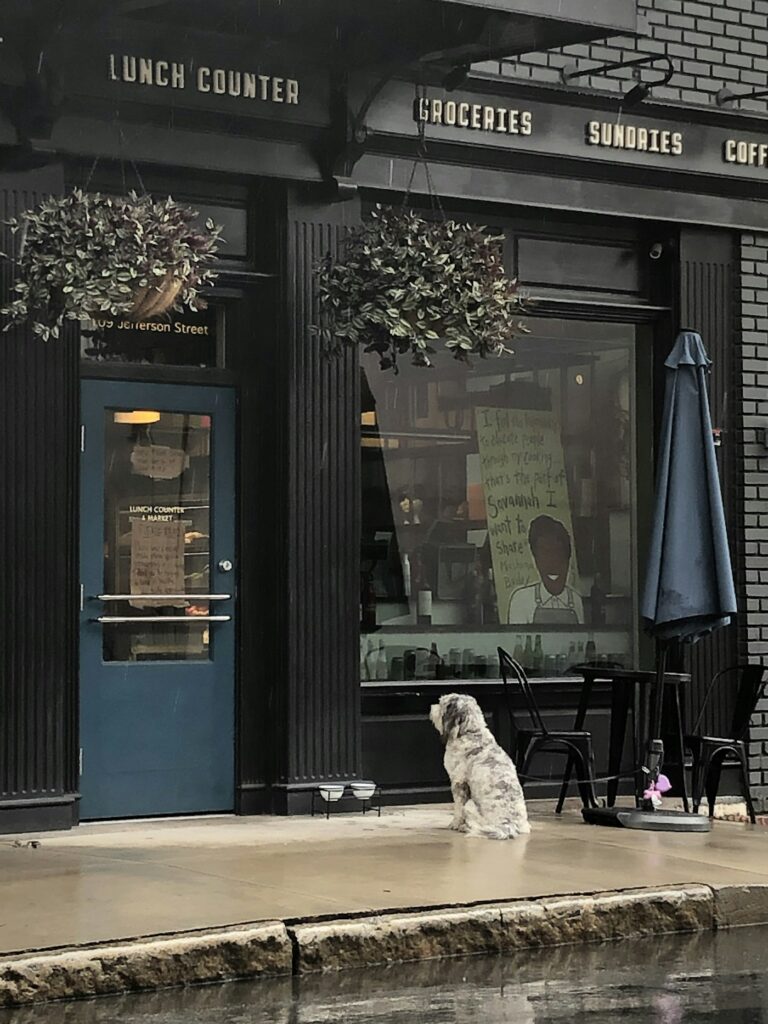
Where these rules apply
The ADA’s service animal rules apply to most places open to the public: stores, restaurants, hotels, hospitals, theaters, rideshares, taxis and more. Some places have specific exceptions — for example, areas like hospital operating rooms where a dog could compromise a sterile environment.
Housing and flights work differently
- Housing: Under the Fair Housing Act, a landlord may ask for reliable documentation when your disability isn’t obvious. See your housing rights with an assistance animal.
- Flights: Airlines may require DOT forms. Read flying with a service dog.
What about emotional support animals?
These two-question rules are for trained service dogs, including psychiatric service dogs. Emotional support animals don’t have public-access rights under the ADA, so businesses can apply their normal pet policies to them. ESAs are protected mainly in housing. See service animals vs. emotional support animals.
If you’re wrongly turned away
- Stay calm and explain the rulesPolitely mention that the ADA allows only the two questions.
- Ask for a managerFront-line staff may not know the rules.
- Write down the detailsDate, time, location, names and what was said.
- Follow upYou can contact the business in writing, file a complaint with the U.S. Department of Justice, or talk with a disability rights organization or attorney.
The bottom line
Businesses can ask just two questions about a service dog: whether it’s required because of a disability, and what task it’s trained to do. Knowing that — and having a short answer ready — makes most encounters quick and easy.
Frequently asked questions
Can a business ask to see my service dog’s certification?
No. Under the ADA, businesses can’t require documentation, ID cards or certification for a service dog. There is no official certification required.
Does my service dog have to wear a vest?
No. The ADA doesn’t require service dogs to wear a vest or ID. Many handlers use one anyway because it reduces questions.
Can a restaurant refuse my service dog because of another customer’s allergy?
Generally no. Allergies and fear of dogs usually aren’t valid reasons to deny access. The business should try to accommodate both customers, for example with separate seating.
Can a store ask what my disability is?
No. Staff may only ask whether the dog is required because of a disability and what task it is trained to perform.
Do these rules apply to emotional support animals?
No. The ADA’s public-access rules cover trained service dogs. Emotional support animals are protected mainly in housing, and businesses can apply their normal pet policies to them.
This guide is general information, not legal or medical advice. Laws and policies change and can vary by state, city and building. For advice about your situation, talk with a licensed professional.