
In this guide
- A cat can absolutely be an emotional support animal (ESA). There’s no rule that ESAs have to be dogs.
- ESA cats are protected mainly in housing, under the Fair Housing Act — including in many “no pets” buildings.
- Cats can’t be service animals under the ADA, so an ESA cat doesn’t have public-access rights in stores or restaurants.
- To document your need, you’ll want an ESA letter from a licensed health care professional.
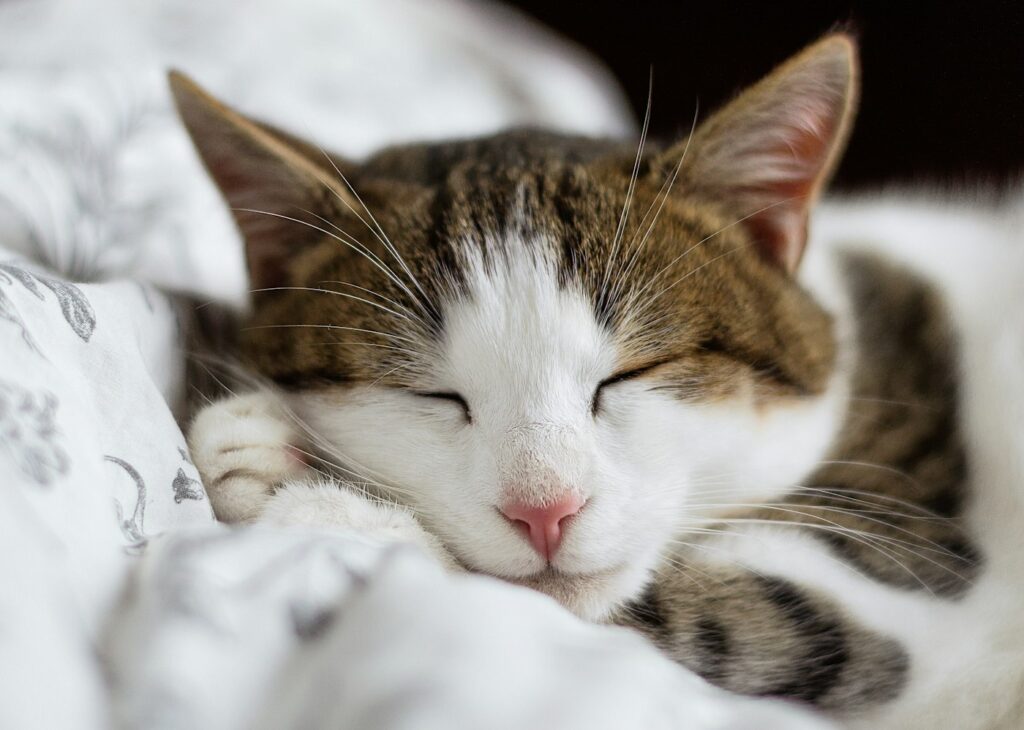
For a lot of people, the animal that helps them through anxiety, depression or a rough stretch of life isn’t a dog at all — it’s a cat. Cats are quiet, affectionate, low-maintenance and perfectly suited to apartment living, which is exactly why so many people ask: can my cat be an emotional support animal?
The short answer is yes. Here’s what that means in practice.
Yes, cats can be emotional support animals
An emotional support animal is any animal that provides support to a person with a mental or emotional health condition just by being there. ESAs don’t need special training, and federal fair housing rules don’t limit them to dogs. Cats are one of the most common ESAs in the country.
What makes a cat an ESA isn’t the cat — it’s your situation. A licensed health care professional needs to determine that you have a condition that substantially limits a major life activity, and that your cat helps with it.
How cats help with emotional and mental health
Every person and every cat is different, but people often describe their cats as helping with:
- Anxiety and stress — a calm, purring presence can make anxious moments easier to get through.
- Depression and loneliness — caring for a cat adds routine, purpose and companionship to the day.
- Sleep — many people sleep better with a familiar animal nearby.
- Grounding — petting a cat can help pull your attention back to the present.
Only a licensed clinician can decide whether an ESA is right for you, but if your cat is part of how you cope, it’s worth finding out.
Where an ESA cat is protected
Housing: yes
Under the Fair Housing Act, people with disabilities can ask their housing provider for a reasonable accommodation to live with an assistance animal, including an ESA cat. That applies to most apartments, condos, HOAs and college housing — even when the building has a no-pets policy. You can learn more in our guide to when a landlord can deny an emotional support animal.
Stores and restaurants: no
Under the Americans with Disabilities Act, only dogs (and, in limited cases, miniature horses) can be service animals. That means ESA cats don’t have a legal right to go into businesses. See service animals vs. emotional support animals for the full breakdown.
Flights: treated as pets
Since January 2021, U.S. airlines are no longer required to accept emotional support animals. Most airlines let cats fly as in-cabin pets in a carrier, with a pet fee and their own size rules.
How to get an ESA letter for your cat
- Take a short assessmentAnswer questions about your symptoms, how they affect your daily life and how your cat helps.
- A licensed doctor reviews your answersThey decide whether an emotional support animal is appropriate for you.
- Get your letter by emailIf you qualify, you’ll receive your ESA letter as a PDF. With Dogtor’s Note, it includes your cat’s name and a verification code.
- Send it to your landlordInclude a short written request for a reasonable accommodation, and keep copies of everything.
Want the full walkthrough? Read how to get a legitimate ESA letter online.
What landlords can (and generally can’t) ask about your cat
- They can ask for reliable documentation when your need isn’t obvious — that’s your ESA letter.
- They can hold you responsible for any real damage your cat causes, just like any tenant.
- They generally can’t demand your diagnosis or medical records.
- They generally don’t charge pet rent or pet deposits for an approved assistance animal.
Being a good neighbor with an ESA cat
An ESA letter protects your right to live with your cat, and being a considerate tenant keeps things smooth:
- Keep the litter box clean to prevent odors.
- Give your cat scratching posts so furniture, carpets and door frames stay intact.
- Keep vaccinations current and follow any local licensing rules.
- Make sure your cat is secure when maintenance workers come in.
The bottom line
Cats make wonderful emotional support animals, and the Fair Housing Act protects ESA cats the same way it protects ESA dogs. If your cat helps you manage a mental or emotional health condition, a letter from a licensed doctor is the key to keeping your companion at home with you.
Frequently asked questions
Can a cat be an emotional support animal?
Yes. Emotional support animals don’t have to be dogs, and cats are one of the most common ESAs. What matters is that a licensed health care professional determines you have a qualifying condition and that your cat helps with it.
Can a cat be a service animal?
No. Under the ADA, only dogs (and in some cases miniature horses) can be service animals. A cat can be an emotional support animal, which is protected mainly in housing.
Can my landlord refuse my ESA cat?
Under the Fair Housing Act, most landlords must consider a request for an ESA as a reasonable accommodation, even in no-pet buildings. They can deny it only in limited situations, such as a direct threat from that specific animal, an undue burden, or an exempt building.
Does my cat need special training to be an ESA?
No. Emotional support animals don’t need task training. Your cat should still be well cared for and not cause damage or disturbances.
Can I have more than one ESA cat?
Possibly. Each animal needs to be supported by your disability-related need, and your letter should reflect that. Landlords may look at each animal individually.
This guide is general information, not legal or medical advice. Laws and policies change and can vary by state, city and building. For advice about your situation, talk with a licensed professional.